Using Technology and Automation to Streamline Your Books
As a small business owner, time is one of your most valuable assets. Yet, many entrepreneurs spend countless hours each month buried in spreadsheets, manually entering receipts, and reconciling transactions. The good news? Modern technology has completely changed how small businesses handle bookkeeping. With the right tools and automation, you can save time, reduce errors, and gain real-time insights into your finances.
1. Say Goodbye to Manual Data Entry
One of the biggest time drains in bookkeeping is manually entering expenses and income. Today’s cloud accounting platforms—like QuickBooks Online, Xero, and FreshBooks - connect directly to your bank accounts and credit cards. They automatically import and categorize your transactions, so you can spend less time typing and more time analyzing.
Automation doesn’t just speed up the process - it improves accuracy. When transactions sync automatically, you eliminate the human errors that often lead to reconciliation headaches and inaccurate reports.
2. Simplify Expense Tracking with Apps
Tracking business expenses is much easier with mobile apps that scan and store receipts. Tools like QuickBooks Online let you take a photo of a receipt, extract the data instantly, and push it into your accounting software. No more missing receipts or crumpled paper trails - the entire process is digital and audit-ready.
3. Use Automation for Recurring Tasks
Small business owners often repeat the same bookkeeping tasks each month: sending invoices, paying bills, reconciling accounts, and running financial reports. Automation tools can handle these repetitive actions for you. Set up automatic invoice reminders, recurring payments, or even scheduled report generation so you can keep your books updated with minimal effort.
4. Real-Time Financial Insights
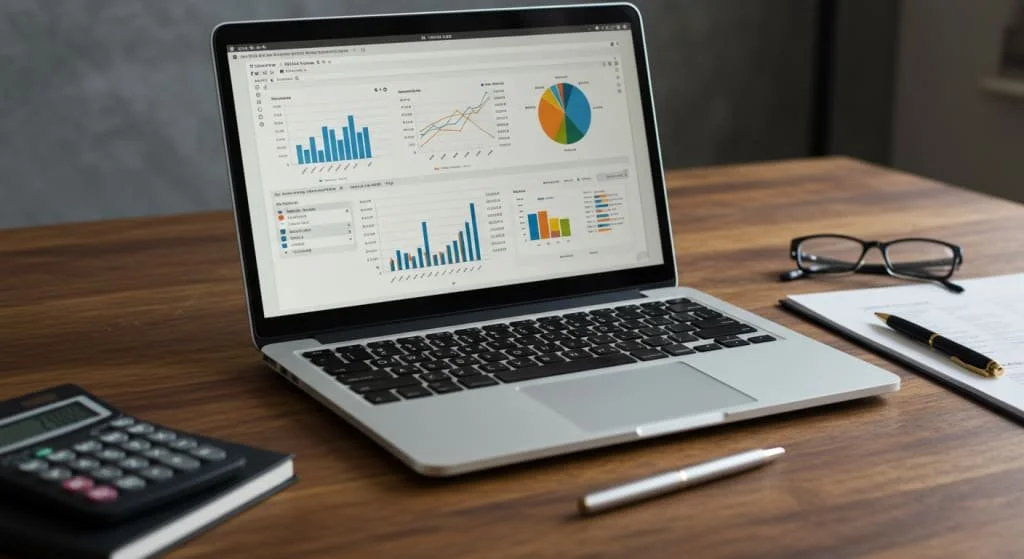
When your books are automated, your financial data stays up to date. You can easily generate real-time dashboards that show your cash flow, expenses, and profitability at a glance. This means you don’t have to wait until month-end to see how your business is doing - you can make data-driven decisions anytime.
5. When to Call in an Expert
Even with automation, having a professional bookkeeper or CPA review your numbers regularly is still a smart move. Automation handles the data; professionals handle strategy. Together, they create a system that’s efficient, accurate, and aligned with your business goals.
Final Thoughts
Using technology and automation isn’t just about convenience - it’s about control. It allows small business owners to stay organized, make smarter financial decisions, and focus on what matters most: growing their business.