13-Week Cash Flow Forecasting: How Small Business Owners Can Predict Cash Shortages
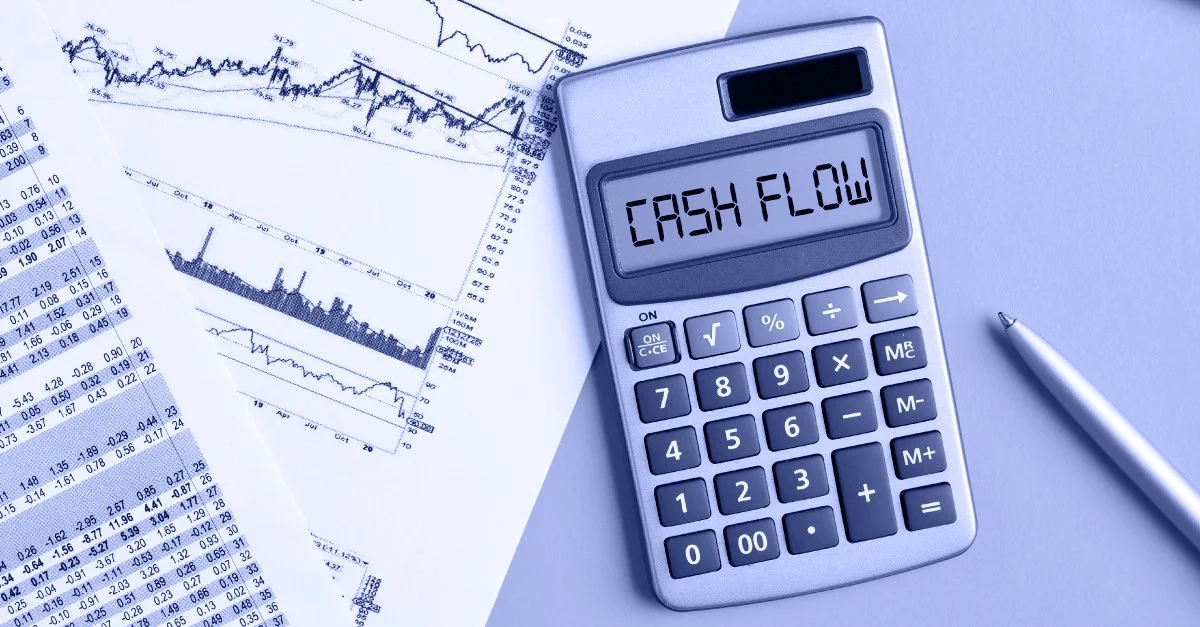
Running out of cash is scary. It happens fast, often with little warning. But one tool can help you spot trouble before it hits. It's called the 13-week cash flow forecast. Let's look at what it is and how to use it.
What Is a 13-Week Cash Flow Forecast?
A 13-week cash flow forecast is a simple tool. It maps out the cash coming in and going out of your business over the next 13 weeks. That's about one quarter of a year.
Why 13 weeks? It's short enough to stay accurate. It's long enough to spot patterns and plan ahead. A yearly budget feels far away. A 13-week forecast feels real and close.
Why It Matters More Than Your Income Statement
Your income statement shows if you're profitable. But profit and cash are not the same thing. You can show a profit and still run out of money in the bank.
Maybe a big client pays 60 days late. Maybe payroll hits before your invoices get paid. A 13-week forecast shows you these gaps before they become a crisis. It gives you time to act.
How to Build One
You don't need fancy software to start. A simple spreadsheet works fine. Here's the basic setup:
List your starting cash. Write down what's in your bank account today.
List expected cash in. Add every invoice, payment, or deposit you expect each week. Be honest about when clients actually pay, not when they're supposed to.
List expected cash out. Add payroll, rent, loan payments, supplier bills, and taxes. Put each expense in the week it will actually leave your account.
Calculate your weekly balance. Add cash in. Subtract cash out. Carry the ending balance to the next week.
Watch for negative weeks. Any week where your balance drops below zero is a warning sign. Fix it before it happens, not after.
Update It Every Week
A forecast is not a one-time task. Update it weekly. Compare what you expected to what actually happened. This makes your future forecasts more accurate. It also helps you catch slow-paying clients or rising costs early.
Think of it like a weather forecast. It gets better the closer you get to the event. Weekly updates keep your numbers sharp.
Common Cash Shortage Warning Signs
A good forecast will show you these red flags early:
A big loan or tax payment landing the same week as low income
Slow-paying customers stacking up
Payroll growing faster than sales
A seasonal dip you forgot to plan for
Catching these weeks in advance gives you options. You can delay a purchase. Call a client about payment. Arrange a short-term loan before you need one.
Who Benefits Most From This Tool
Any small business can use a 13-week forecast. But it helps the most if you have:
Uneven or seasonal income
Slow-paying clients or long payment terms
Big swings in payroll or inventory costs
Loan payments or large recurring bills
If your cash flow feels unpredictable, this tool brings order to the chaos.
The Bottom Line
A 13-week cash flow forecast turns guesswork into a plan. It shows you cash problems weeks before they happen, not after your account hits zero. Build one, update it weekly, and you'll make sharper decisions all year long.
Want Help Building Your Forecast?
Setting up your first 13-week forecast takes some guidance. We help small business owners build a clear, accurate cash flow forecast and use it to avoid shortages.
Request your free financial review and get a forecast built for your business.
This article is for general information only. It is not financial or tax advice. Talk with a professional about your specific situation.